
Bengaluru
Bengaluru
Search Here
AUTHOR: Bewise-Admin

There is a moment every parent recognizes but rarely talks about.
The child is bright. Completes assignments on time. Follows instructions without complaint. But when asked to take the lead to make a decision, to go first, to own something - they freeze.
They wait. They hesitate. They look around for someone else to step forward.
This isn't an intelligence problem. It's an exposure problem.
Leadership isn't something that suddenly appears in college or in the workplace. It develops in school, through specific experiences, repeated over time. In a world where entrepreneurship for students and innovation are no longer optional extras but core expectations, leadership has become a foundational skill and not a personality trait reserved for a select few.
The good news is that building it doesn't require complicated systems or expensive programs. It requires the right activities, introduced at the right time.
Here are six ways schools can develop leadership skills early by strengthening life skills education and preparing students for a world that rewards initiative over compliance.
Most schools have student councils. Far fewer have ones that actually work.
A badge and a seat at a meeting table do not build leaders. What builds leaders is real decision-making, genuine accountability, and the experience of being responsible for an outcome that affects others.

When student councils are structured with intention, they are given actual problems to solve, actual budgets to manage, actual consequences for their choices – they begin to understand what leadership feels like from the inside.
Research by the American Psychological Association indicates that students who hold leadership positions in school report higher confidence and stronger problem-solving skills well into adulthood.
Source: https://www.apa.org/education-career/training/leadership-skills-overview
The title means nothing, but the responsibility means everything.
Not every student will start a company. That's not the point.
The point is that every student benefits from understanding how an idea becomes an action, how a problem gets identified, a solution gets designed, and something that didn't exist before getting brought into the world.

Schools can make this accessible without it being intimidating. Student-run initiatives, events planned with real budgets, awareness campaigns, solutions designed for actual school-level problems – all these experiences introduce entrepreneurship for students in a way that feels relevant rather than abstract.
They also naturally connect to financial literacy for students, where young people begin to understand effort, value, and what it means to work within constraints.
A study by the Network for Teaching Entrepreneurship found that students who participated in entrepreneurial learning developed stronger initiative skills than those who didn't.
Source: https://www.nfte.com/research
Leadership doesn't announce itself. It builds quietly, through doing.
A quiet classroom is not automatically a productive one.
Leaders are rarely built in silence. When students debate, deliver speeches, or pitch ideas to their peers, something changes in how they relate to their own thinking. They learn to form an argument and defend it. They learn to listen, adapt, and respond. They encounter disagreement and figure out how to hold their ground without shutting down.

These aren't just communication exercises. They are leadership training for students in a form that doesn't feel like training at all.
Students who regularly engage in these activities also tend to perform better academically because active participation creates a fundamentally different relationship with the material. This is exactly where education and life skills stop being separate conversations.
Group projects are common. Real collaboration is rare.
In most group assignments, a pattern emerges quickly. One person carries the work and the others drift. That's not teamwork. That's unstructured delegation, and it teaches everyone the wrong lessons.

Genuine team-based learning looks different. Roles are clearly defined. Leadership rotates so that every student experiences what it feels like to be responsible for the group's direction. Peer feedback is built into the process. And the task itself requires everyone to contribute meaningfully in order for it to succeed.
Through this, students learn how to navigate disagreement, manage different working styles, and stay oriented toward a shared goal even when things get difficult. These are exactly the qualities that make someone valuable in environments built around innovation and adaptability, and they can only be developed through genuine practice.
Leadership without empathy is just authority.
When students step outside their immediate environment by volunteering for social causes, participating in environmental initiatives, supporting local communities – their view of the world expands in ways that classroom instruction rarely achieves.

They begin to see problems they hadn't noticed before. They start to understand that their choices have consequences beyond themselves. They develop the kind of emotional intelligence that sits at the core of life skills education and that most traditional academic systems simply don't prioritize.
Students who engage in service-based learning consistently demonstrate stronger decision-making skills. Not because they've been taught a framework, but because they've developed genuine awareness of impact.
Leadership is tested not in rehearsed answers but in moments of genuine uncertainty.
Workshops designed around practical scenarios give students a chance to practice handling pressure before the stakes are high. Decision-making under time pressure. Managing competing priorities. Resolving conflicts without escalating them. Setting goals and actually following through.
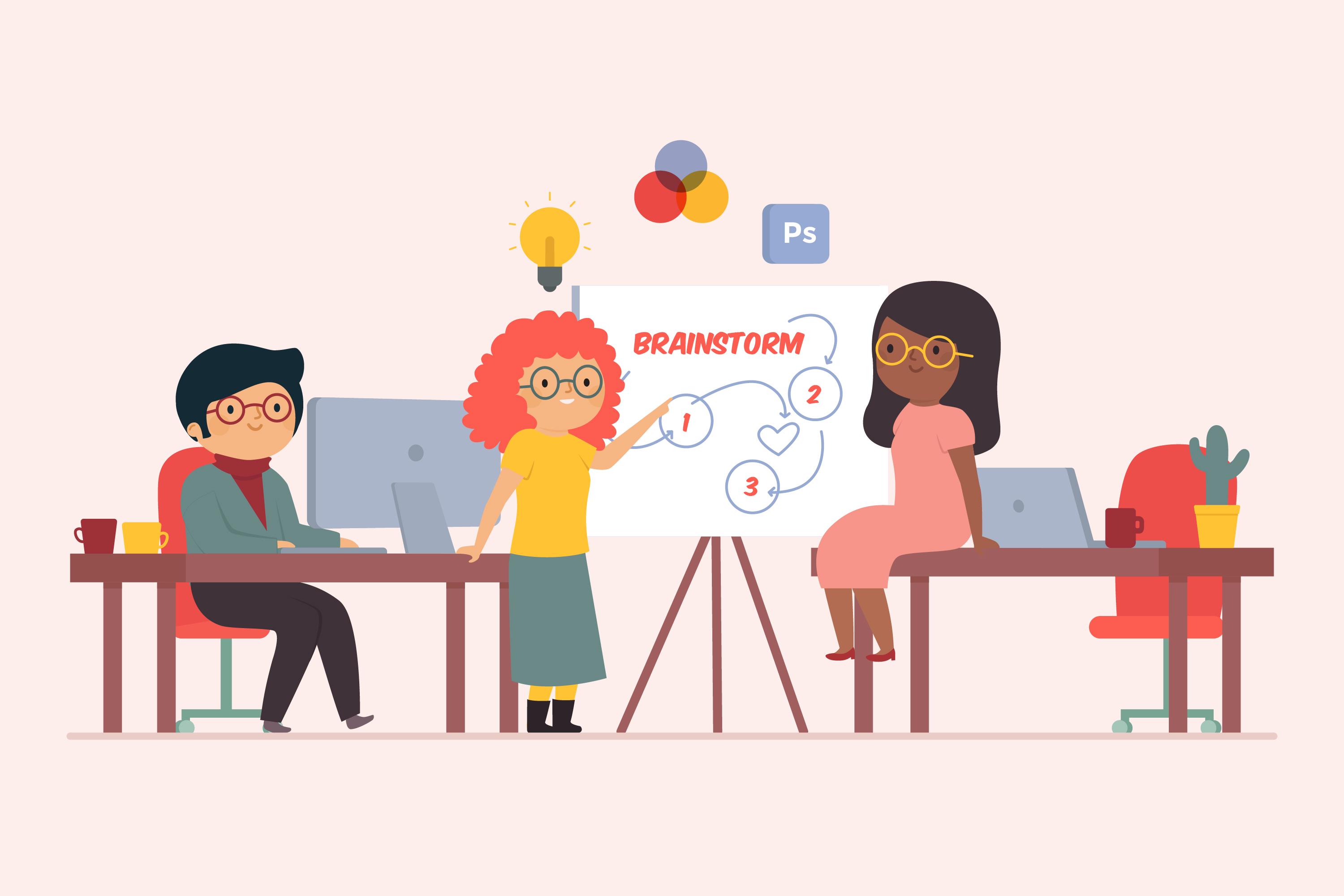
These sessions develop soft skills for students that determine how a person responds to failure, navigates responsibility, and handles situations that don't come with clear instructions.
Platforms like BeWise support schools and parents by offering structured programs that combine life skills education with real learning — helping students build confidence progressively rather than overwhelming them all at once.
When these skills are practiced consistently and early, leadership stops feeling like a performance. It becomes instinct.
The world students are entering is genuinely unpredictable. Careers are being reshaped faster than curricula can keep up. Roles that exist today may not exist in a decade. Stability, in the traditional sense, is no longer something that can be promised.
In that environment, leadership is not primarily about managing others. It is about managing oneself with clarity, confidence, and the ability to move forward even when the path isn't obvious.
Students who develop these skills early are far more likely to take initiative without waiting to be told, adapt when circumstances shift beneath them, make decisions with incomplete information, and face setbacks without collapsing.
Parents searching for the best schools near me, top-rated schools near me, or schools with life skills programs are increasingly asking exactly these kinds of questions because the real measure of a school is no longer how many students top their exams.
It is how many of them are genuinely prepared for what comes after.
Leadership isn't built in a single activity or a single term. It develops through consistent exposure, repeated practice, and environments that take it seriously. When schools weave leadership development into the texture of everyday learning not as an add-on but as a core commitment, they produce students who don't just perform well on paper. They show up ready for the real world.
1. Why is leadership development important in school education today?
Because the qualities schools have traditionally measured (recall, compliance, performance under exam conditions etc.) are increasingly insufficient on their own. Leadership development builds initiative, adaptability, and sound decision-making, all of which are central to modern life skills education and entrepreneurship for students.
2. What are the best activities to build leadership skills among school students?
The most effective include student councils with genuine responsibility, entrepreneurship projects, debate and public speaking, collaborative team tasks, community service, and structured life skills workshops. Each builds different dimensions of leadership skills for students and real-world readiness.
3. How do entrepreneurship activities help students develop leadership skills?
They force students to take ownership of their own ideas, decisions, and outcomes. That experience of genuine responsibility builds confidence, sharpens problem-solving, and introduces the practical dimension of financial literacy for students in a context that actually means something.
4. How can parents choose schools that focus on leadership and life skills?
Go beyond rankings. Parents searching for best schools near me or schools with life skills programs should look for evidence of real leadership opportunities such as councils with actual authority, project-based learning with real stakes, community engagement, and skill-building workshops that are part of the curriculum rather than occasional additions.
5. At what age should students start developing leadership skills?
Early. The sooner students encounter situations that require initiative, teamwork, and real decision-making, the more naturally those capacities develop. A strong early foundation in education and life skills creates students who lead because it's become second nature, not because they've been told to.

School
Pre School
Tuitions
After School Activity
Other Info
After School Activity
Community Support
Corporate Info
Contact Us


© Copyright 2026 BeWise & Wisdom Tech Solutions. All Rights Reserved. Bewise is a platform developed and managed by Wisdom Tech Solutions Pvt Ltd.