
Bengaluru
Bengaluru
Search Here
AUTHOR: Bewise-Admin

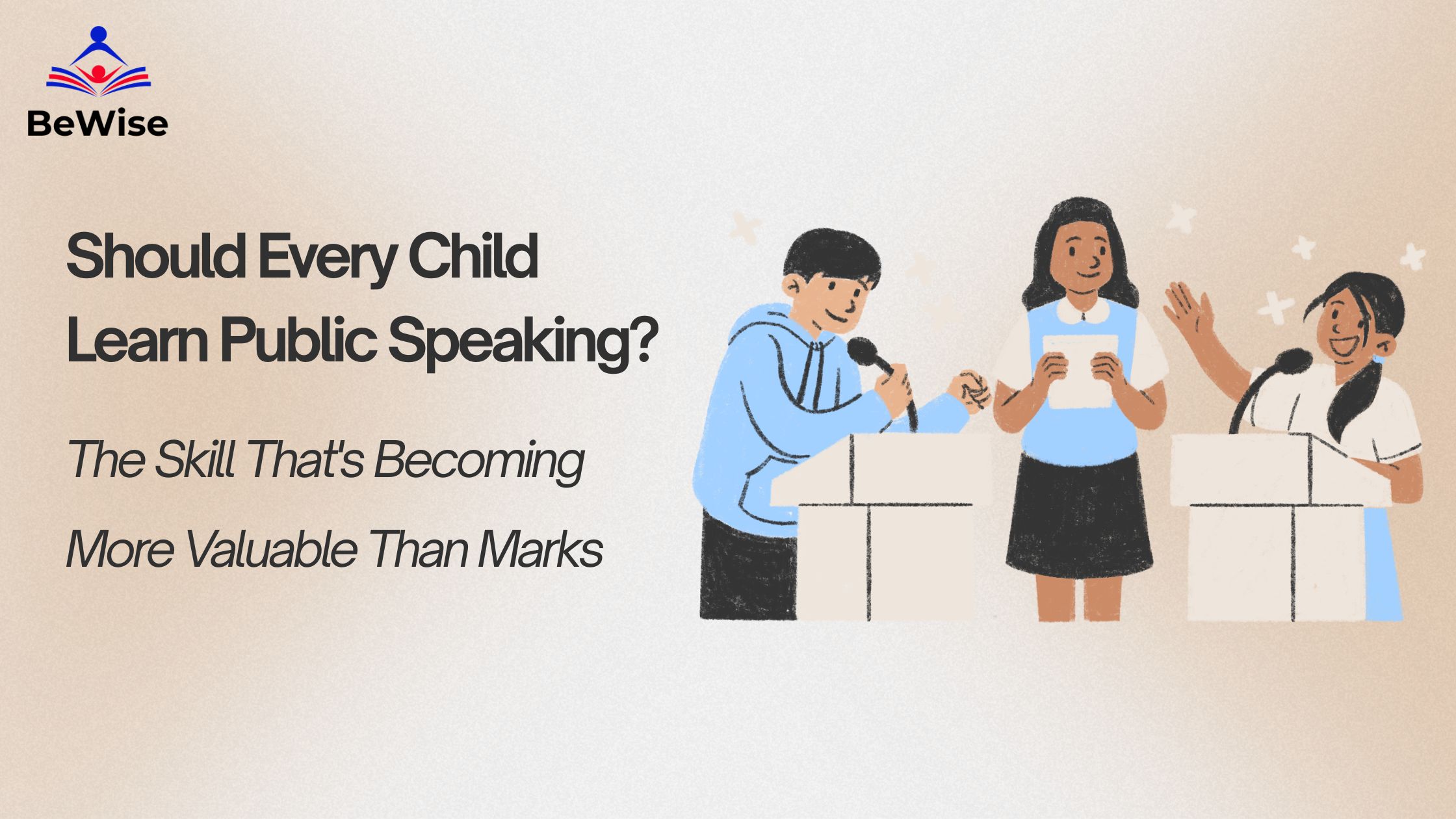
Picture two students with nearly identical academic records.
Same exam scores. The same subject knowledge and the same grades on paper.
A few years later, one is presenting ideas confidently in meetings, leading discussions, pitching solutions, and building professional relationships without apparent effort. The other has the same knowledge and struggles to express it clearly in a room full of people.
What made the difference?
In most cases, it wasn't intelligence. It was communication. More specifically, it was the ability to speak with confidence in front of others.
For decades, schools measured success primarily through marks, grades, rankings, and test scores. Academic performance remains important, but students entering the world today face demands that extend considerably beyond what any exam can test. Knowledge matters. The ability to communicate that knowledge often matters just as much.
That is why public speaking is increasingly being viewed not as an extracurricular interest, but as a core life skill every child deserves the chance to develop.
Think about the careers children may enter over the next decade. Some will become entrepreneurs. Some will lead teams. Some will work in technology, healthcare, finance, or creative fields. Others will build careers in roles that don't yet exist.
What do all these paths share?
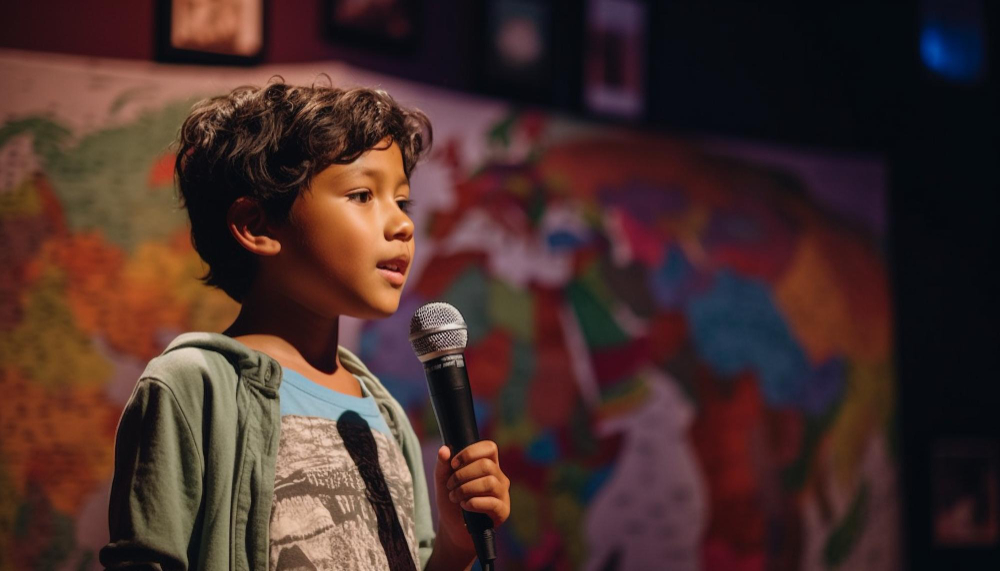
Communication. The ability to explain ideas, influence decisions, ask thoughtful questions, and collaborate effectively remains valuable across every industry and every era. Research consistently places communication, leadership, collaboration, and problem-solving among the most important workplace competencies, well above technical specialization for most roles.
Students aren't competing purely on what they know. Increasingly, they're succeeding or falling short based on how effectively they can share what they know.
Teachers see this constantly.
A student who understands a concept perfectly won't raise a hand. Another with genuinely good ideas hesitates to contribute to any discussion. A third freezes entirely when asked to speak in front of a group.
This is more common than most parents realize. And confidence doesn't develop automatically with age or academic achievements, it develops through practice.
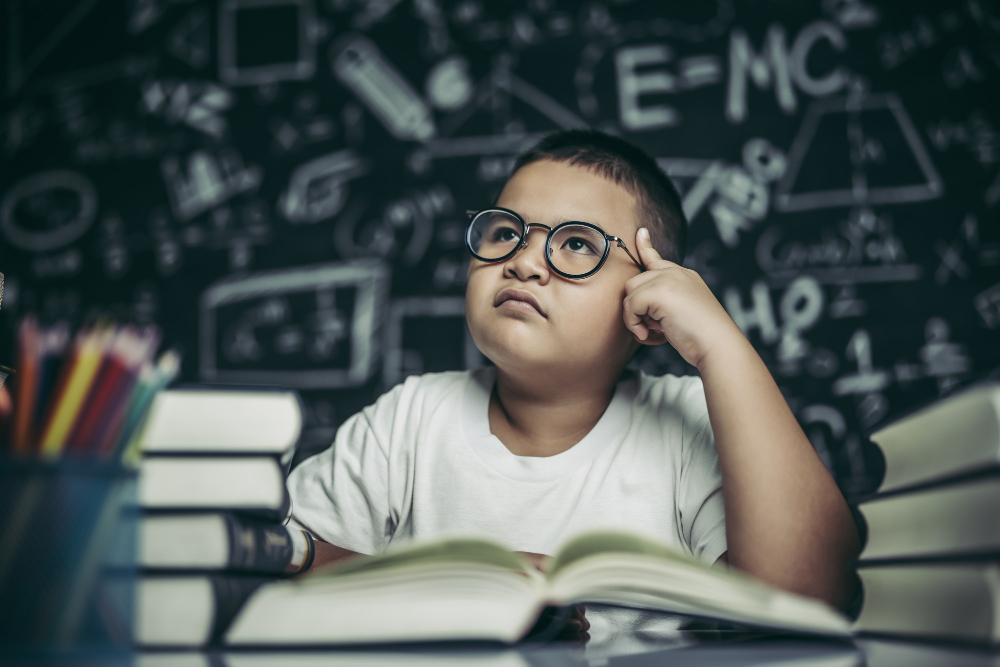
Children need regular opportunities to voice opinions, ask questions, present ideas, and speak in front of others. Without consistent exposure, even highly capable children can reach adulthood without developing the communication confidence their abilities deserve.
When most people hear "public speaking," they picture a lectern and a large audience. The reality, however, is far different and far more important.
Public speaking skills help children introduce themselves with confidence, participate meaningfully in classroom discussions, handle interviews, present projects, lead teams, and advocate for their ideas in a room where others hold more authority.
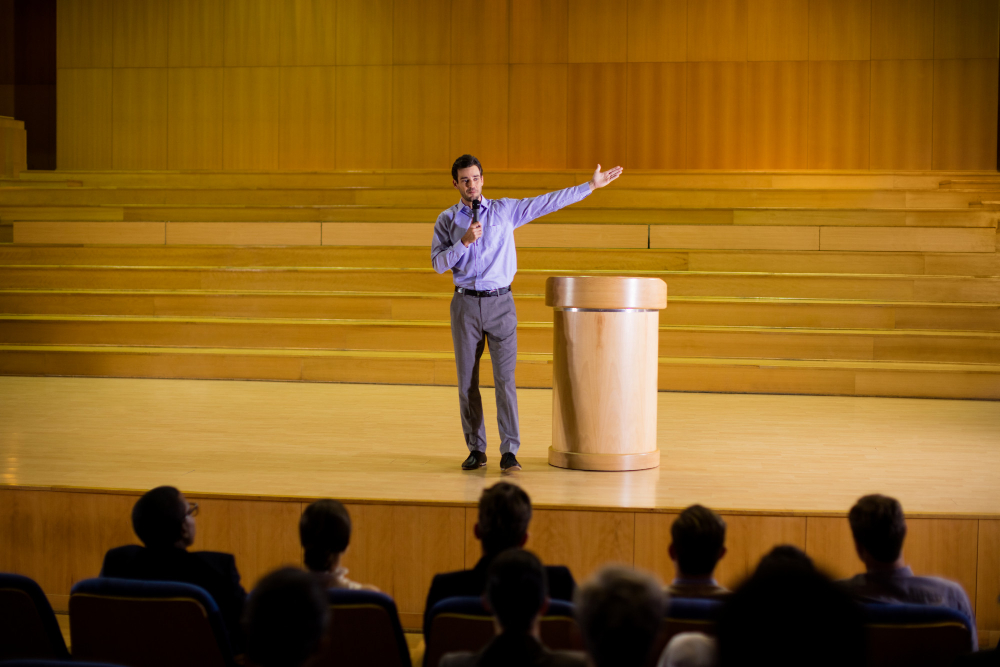
It's less about performance and more about communication. And communication influences almost every dimension of personal and professional life.
Ask people to describe the leaders they've found most effective. The descriptions are remarkably consistent: they communicate clearly, inspire others, articulate ideas with precision, and listen and respond thoughtfully.
These are communication skills.
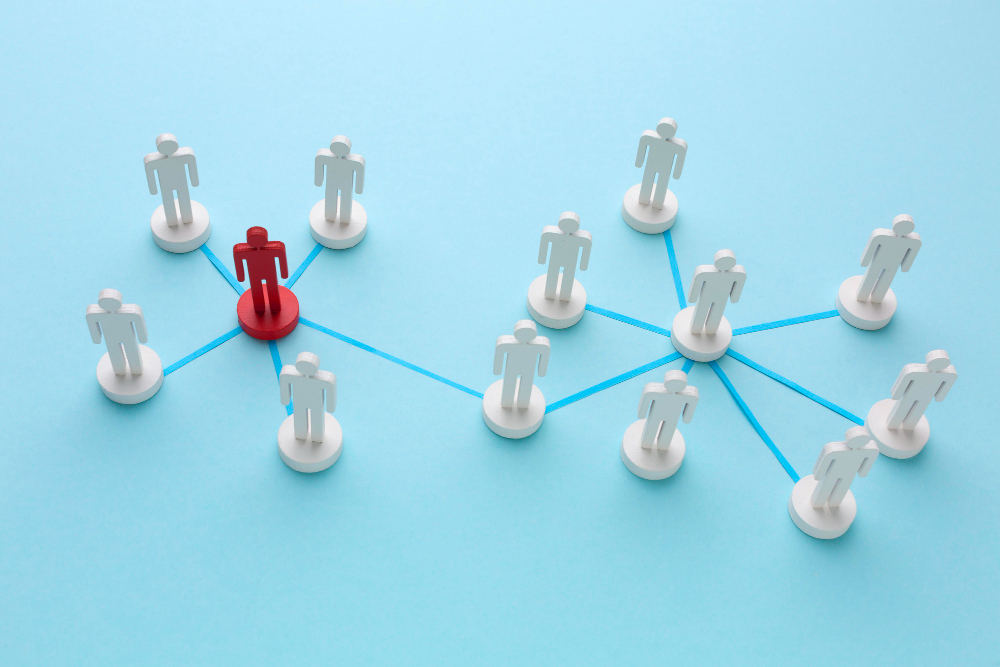
Which is why public speaking and leadership development are so frequently connected in the strongest educational programs. Life skills education increasingly recognizes this relationship. Students who learn to communicate effectively tend to become more comfortable taking initiative, participating in group settings, and stepping into leadership roles.
In many cases, leadership simply begins with finding your voice.
For a long time, communication skills were treated as optional enrichment. Students joined debate clubs if they were already naturally confident. Everyone else focused on academics.
That model no longer serves students well.
Whether students pursue entrepreneurship, technology, business, creative professions, or further academic study, effective communication is essential regardless of career direction. Parents searching for the best schools near them or specifically looking for schools with life skills programs are increasingly asking how a school builds confidence and communication alongside academic performance.
That question reflects a shift in understanding about what genuine education should produce.
There's an irony worth naming here. As artificial intelligence becomes more capable, unique human skills are becoming more valuable.
Routine and repeatable tasks are being automated. What remains distinctively human is the ability to communicate with nuance, build relationships, exercise empathy, lead others through uncertainty, and collaborate across differences.
Students who can clearly articulate ideas and connect meaningfully with people will carry a significant advantage into whatever comes next. The future likely belongs to those who combine technical knowledge with strong human skills — and communication sits at the heart of that combination.
Public speaking development doesn't happen only at school.
Parents contribute meaningfully by creating space at home for children to express themselves in family discussions, in storytelling, in explaining how they solved a problem or worked through a disagreement. Encouraging children to ask questions in social settings, engage in community activities, and articulate their thinking clearly in everyday conversation builds the same underlying confidence that formal programs develop.
These informal moments are often just as formative as structured classroom opportunities.
At BeWise, education is designed to prepare students for life, not just examinations. That's why education and life skills sit alongside academic achievement as central to everything the programs offer.
Through structured focus on life skills education, financial literacy for students, entrepreneurship for students, leadership development, and communication skills, BeWise helps students build capabilities that extend well beyond the classroom, and well beyond any exam result.
Because future success depends on far more than marks.
Marks opens doors. Communication helps students walk through them.
The ability to express ideas clearly, connect with others, and speak with confidence affects virtually every domain of personal and professional life. And unlike most academic subjects, its value doesn't fade after the exam. It compounds over time.
The question isn't really whether every child should learn public speaking.
It's whether we can afford to let them grow up without it.
In a world overloaded with information, the students who stand out are consistently those who know how to share their ideas with clarity, with confidence, and with the kind of presence that no mark sheet can measure.
1. Why is public speaking important for students today?
It builds confidence, communication ability, leadership development, and critical thinking simultaneously. As employers increasingly value human skills alongside academic credentials, the ability to communicate clearly and confidently has become essential preparation for almost any career path.
2. How does public speaking support a child's personal and academic growth?
It encourages students to express ideas clearly, participate more actively in learning, ask questions without hesitation, and engage more confidently in social settings. Over time, it builds self-esteem, sharpens decision-making, and develops the social confidence that academic performance alone rarely produces.
3. At what age should children start developing these skills?
Early. Classroom participation, storytelling, presentations, and structured discussion can all build communication confidence from a young age. Early exposure significantly reduces the anxiety around speaking in front of others that many students carry into adulthood.
4. How do schools with life skills programs help students become better communicators?
Schools with life skills programs create structured opportunities for debates, presentations, leadership activities, collaborative projects, and public speaking workshops. This gives students repeated, supported practice in real communication. These experiences develop competencies that prepare students for success well beyond the classroom.

School
Pre School
Tuitions
After School Activity
Other Info
After School Activity
Community Support
Corporate Info
Contact Us


© Copyright 2026 BeWise & Wisdom Tech Solutions. All Rights Reserved. Bewise is a platform developed and managed by Wisdom Tech Solutions Pvt Ltd.