
Bengaluru
Bengaluru
Search Here
AUTHOR: Bewise-Admin

Picture a seven-year-old asking, “Why do stars twinkle but the Moon doesn’t?”
The adults around nod, toss out a quick answer, and the moment passes.
But imagine someone saying, “That’s a fascinating question. Why do you think that happens?” You can feel the difference, that little spark, the invitation to wonder.
Curiosity in children is instinctive. They’re natural explorers, always looking, asking, poking around, and drawing their own connections. Still, once school starts putting more weight on having the “right” answer, a lot of that wonder fades into anxiety. Children start to believe that being correct matters more than being curious. The spark of exploration dims. Risk-taking starts to feel dangerous.
This is where confidence building for students truly begins. If kids know it’s okay to question everything, try things out, and even stumble along the way; they develop independent thinking, a skill that extends far beyond the classroom.
Kids don’t need lessons on how to be curious.
"Why is the sky blue?" "What happens if I mix these colors?" "Why can't birds get electrocuted on wires?"
The real question is whether adults encourage their curiosity or shut it down.
At its core, curiosity in children fuels discovery. Every question helps them observe, compare, analyze, and come up with ideas, and these habits lay out the groundwork for independent thinkers. Instead of accepting information at face value, they learn to seek understanding.

This is where inquiry-based learning makes a real difference. Rather than asking students to memorize facts, it encourages them to investigate, discuss, and solve problems. The focus shifts from "What is the answer?" to "How did you arrive at that answer?"
Take a science lesson on plants. One teacher tells the class to memorize the parts of a leaf. Another gives each student two plants, asks them to grow the plants under different conditions, and predicts what will happen. Both teach science, but only one nurture of observation, experimentation, and creative thinking skills.
Memorization helps students recall information. Exploration helps them apply it.
Not every child who stays quiet lacks ideas.
Sometimes, they're simply afraid of getting the answer wrong.
The fear of making mistakes often begins much earlier than parents expect. When children associate mistakes with embarrassment, criticism, or poor grades, they start to pull back. They stop raising their hands, keep their ideas to themselves, and let curiosity slip, not because they’re not curious, but because they don’t want to be wrong.
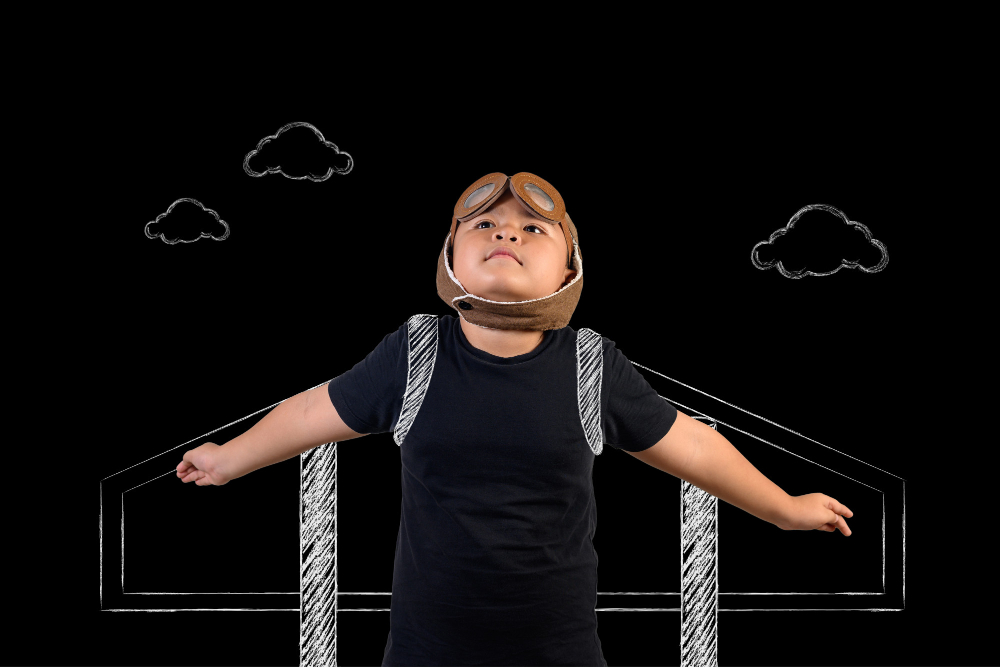
This is where confidence building for students becomes essential. Confidence doesn’t come from always having the right answer, rather it comes from knowing that mistakes are part of learning.
A simple shift in feedback can make a lasting difference:
This approach reinforces a growth mindset in education, where children understand that abilities develop through effort, practice, and reflection rather than being fixed from birth.
Schools also play a crucial role in strengthening student confidence by creating psychologically safe classrooms. When students feel respected, encouraged to share different viewpoints, and free to learn from failure without fear of ridicule, they become more willing to participate, collaborate, and think independently.
Schools don't need to reinvent everything overnight. The biggest difference comes from small, intentional changes. By prioritizing curiosity over compliance and exploration over memorization, schools can help students develop the critical thinking skills and problem-solving skills they'll rely on for life.
Learning thrives in classrooms where every question counts. Teachers can invite students to explain their thinking, challenge assumptions, and ask follow-ups instead of focusing only on correct responses. This simple practice strengthens critical thinking skills while making students active participants in their own learning.
The best lessons stretch beyond the textbook. Presenting students with real-world challenges, such as reducing classroom waste, designing a community garden, or finding ways to conserve water, brings experiential learning to life. These activities help students connect concepts with action while developing practical problem-solving skills.
Learning doesn't end when the lesson is done. Encourage students to spend a few minutes reflecting on what surprised them, what challenged them, or what they'd approach differently next time. Regular reflection builds self-awareness and deeper understanding, far beyond rote learning.
Choice builds ownership. Whether selecting a project topic, deciding how to present an assignment, or assigning roles during group work, student-led learning gives children the confidence to make decisions and take responsibility. These everyday opportunities foster independence while creating space for classroom innovation and creativity to flourish.
India's education system is undergoing a significant transformation. The focus is no longer just on academic performance; it's preparing students for a rapidly evolving world.
The National Education Policy (NEP) 2020 implementation continues to encourage competency-based, multidisciplinary, and experiential learning. Classrooms are moving away from memorization toward understanding and real-world applications. Alongside this, recent examination reform initiatives have placed greater emphasis on assessing higher-order thinking, analytical ability, and problem-solving rather than simply testing memory.

The rise of AI in education makes this shift even more important. While technology can deliver information in seconds, it cannot replace human curiosity, sound judgment, creativity, or ethical decision-making.
Schools are also embracing skills-based education through initiatives such as structured chess programmes, STEAM education, coding, and robotics. These experiences cultivate strategic thinking, collaboration, and innovation from an early age.
For future-ready schools, success isn't just a number on a report card; it's whether students can ask good questions, adapt quickly, work together, and solve problems in a world that never stands still.
Academic knowledge lays out the foundation, but thriving in today's world means having skills like communication, teamwork, decision-making, and emotional intelligence. These are what turn smart students into confident individuals.
That's where BeWise skill development complements classroom learning.
Rather than replacing academics, BeWise equips students with the practical life skills for students that traditional curricula often have limited time to nurture. Through interactive, experiential learning, students are encouraged to think independently, express themselves with confidence, and apply what they learn in meaningful ways.
BeWise's confidence building programs focus on developing essential future-ready skills, including:
Every program is designed to flip students from passive learners into active contributors; kids ready not just for exams, but for life.
When schools intentionally nurture curiosity alongside these future-ready skills, students don't just become better learners; they become confident thinkers, compassionate leaders, and resilient problem solvers, ready for whatever the future brings.
Great achievements don't start with answers; they start with a question. Curiosity in education sparks exploration; exploration builds competence, and competence fuels confidence building. By nurturing independent thinkers today, schools empower future-ready students who are prepared to lead, innovate, and thrive in a world that values ideas as much as knowledge.
1. Why is curiosity important for children's learning?
Curiosity in children pushes them to explore, ask questions, and truly understand. Through inquiry-based learning, students actively discover concepts instead of memorizing facts, helping them become more engaged, confident, and capable lifelong learners.
2. How can schools develop independent thinkers?
Schools can nurture independent thinkers in schools by encouraging questions, teamwork, real-world projects, and critical thinking skills instead of rote memorization. Giving students ownership over their learning also builds confidence and decision-making.
3. What are the benefits of experiential learning?
Experiential learning lets students connect classroom concepts with real situations. It improves engagement, strengthens problem-solving skills, enhances critical thinking, and helps learners retain concepts through hands-on experiences.
4. How does confidence affect academic performance?
Effective confidence building for students encourages participation, resilience, and more eagerness in tackling challenges. Confident kids ask questions, see mistakes as chances to improve, and achieve lasting success.
5. How does BeWise help students become future-ready?
Through BeWise skill development, students build essential future-ready skills such as communication, leadership, critical thinking, emotional intelligence, and decision-making. These life skills education programmes complement academics and prepare learners for success beyond the classroom.

School
Pre School
Tuitions
After School Activity
Other Info
After School Activity
Community Support
Corporate Info
Contact Us


© Copyright 2026 BeWise & Wisdom Tech Solutions. All Rights Reserved. Bewise is a platform developed and managed by Wisdom Tech Solutions Pvt Ltd.